Dreaming about a home with original millwork, a front porch full of character, and a Tacoma address that feels tied to the city’s early history? Buying a historic home in Tacoma’s Stadium District can be exciting, but it also comes with a different set of questions than buying a newer property. If you want charm without surprises, it helps to understand the area’s housing stock, common repair issues, and what to verify before you write an offer. Let’s dive in.
Why Stadium District draws historic-home buyers
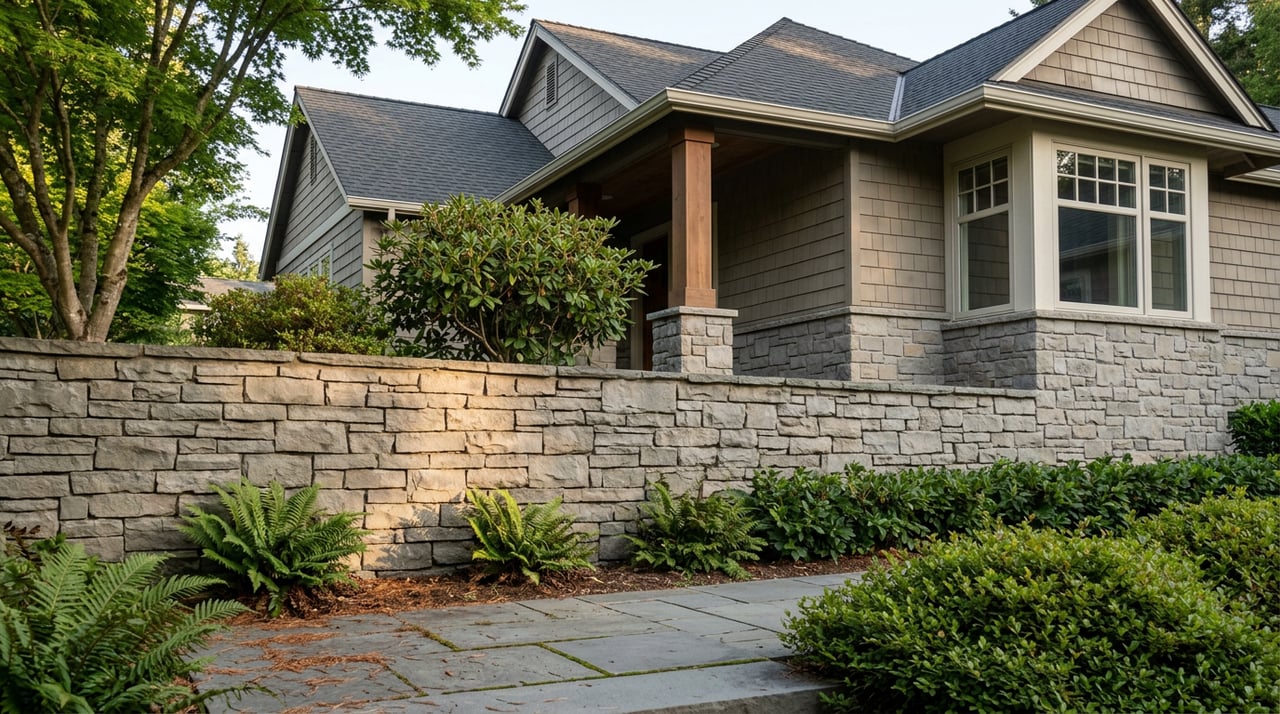
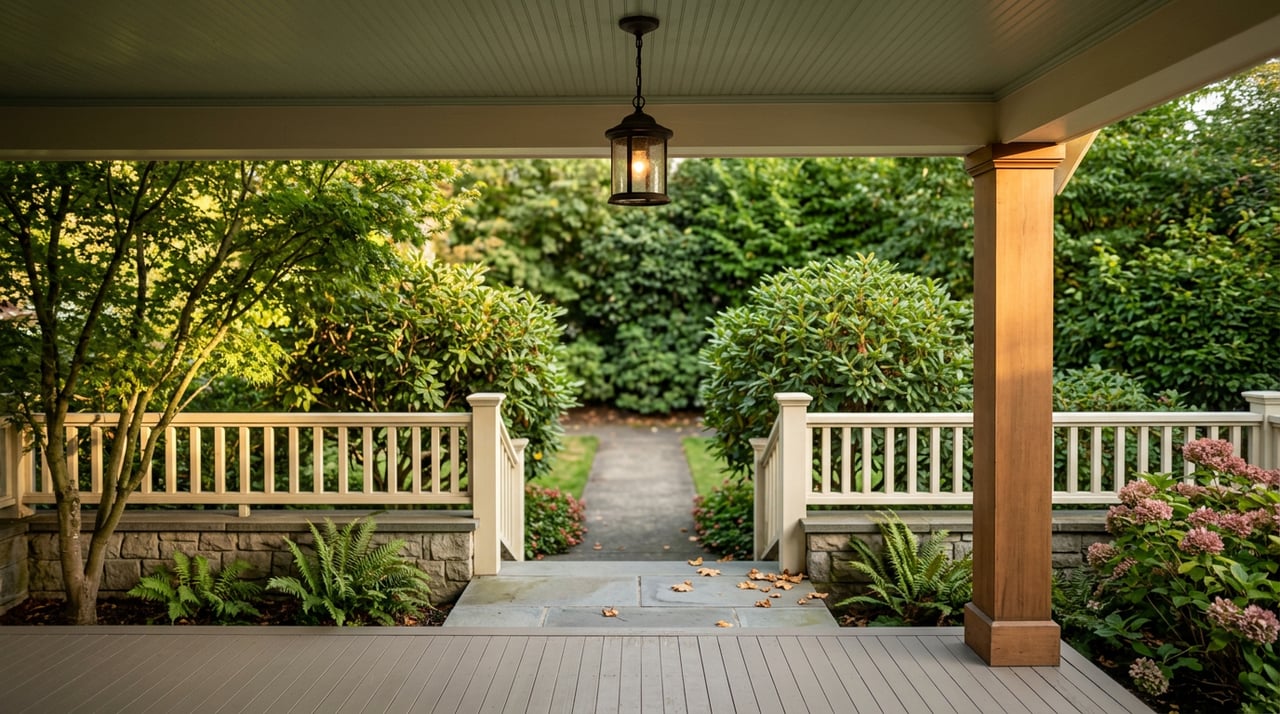
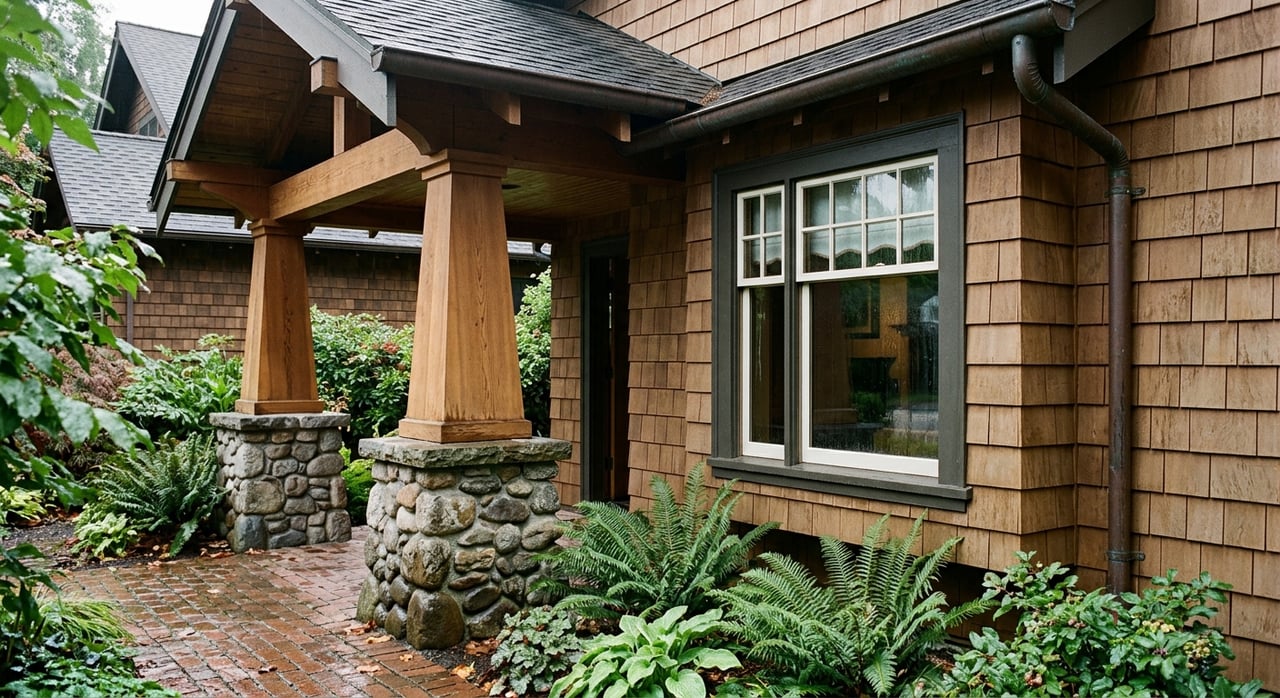
Tacoma’s historic core in this area is the Stadium-Seminary Historic District, which spans tree-lined avenues between North I Street and the shoreline, and between First Street and North 10th Street. The City of Tacoma describes it as one of the city’s earliest residential areas, with many high-style homes built from the late 19th century into the early 20th century.
That history is a big part of the appeal. You are not just looking at homes with vintage details. In many cases, you are looking at properties that were built during the district’s first major growth period from 1887 to 1893, including some homes dating to about 1887 and 1888.
The neighborhood also offers a mix of historic character and city convenience. The Stadium District has a T Line stop, and the area is known for easy access to nearby neighborhood shops, Wright Park, and the Seymour Conservatory.
What kinds of homes you’ll find
If you picture one single “historic Tacoma” style, Stadium District will likely surprise you. The best-represented architectural style in the district is Queen Anne, but the area also includes Colonial Revival, Tudor, Chalet, California Bungalow, Mediterranean or Italian Villa, Modern English or Jacobethan, Colonial cottages, and Norman Farmhouses.
That variety matters when you shop. Two homes on the same block can have very different layouts, maintenance needs, and renovation histories, even if both look equally charming from the curb.
You should also expect a range of property types. The district includes single-family homes, pattern-book cottages, and apartment or condo opportunities, with multi-story apartment buildings concentrated mainly near the eastern boundary.
Historic designation does not always mean the same thing
One of the biggest misunderstandings buyers have is assuming that every historic-looking home has the same rules. In Stadium District, the Stadium-Seminary area is identified as state and national designated rather than locally designated.
That distinction matters. According to the Washington State Department of Archaeology & Historic Preservation, National Register listing by itself does not restrict a private owner’s use, maintenance, sale, or alterations.
Still, you should not assume there are no review requirements at all. If a property is separately designated as a city landmark or placed in a local historic district, local ordinances may add review requirements. Before you count on an easier permit path, special tax treatment, or no exterior review, verify the property’s parcel-level status.
Older homes need a different inspection mindset
A standard home inspection is important, but buying a historic home in Tacoma’s Stadium District usually calls for more focused due diligence. Because many homes here are well over 25 years old, and often far older, age-related systems deserve extra attention.
The goal is not to avoid old homes. The goal is to understand what has been updated, what has not, and what could affect your budget soon after closing.
Side sewer should be high on your list
The City of Tacoma specifically recommends a private side sewer inspection if a building is more than 25 years old or does not have PVC pipe running from the building to the sewer main. That guidance is especially relevant in a neighborhood with very old housing stock.
This is a major item because the property owner is responsible for the side sewer from the building to the main. Tacoma says repairs or replacement can average $5,000 to $10,000, depending on depth and surface restoration.
You may also be able to learn more from city records. Tacoma notes that permit records are available for some properties, which can help you confirm what has already been replaced and what may still be original.
Lead paint is a common concern
If the home was built before 1978, lead-based paint is a real possibility. Both the EPA and Washington Department of Health say homes built before 1978 are likely to contain lead-based paint, and deteriorating paint or renovation work can create hazardous lead dust.
For buyers, this does not automatically mean a home is unsafe or a bad purchase. It does mean you should take painted surfaces seriously, especially if there is peeling paint or you plan to sand, scrape, or remodel soon after move-in.
Asbestos may be present in older materials
Historic and older homes can contain materials such as old floor tile, ceiling tile, or pipe wrap that may include asbestos. The EPA recommends having suspected asbestos-containing material sampled by a properly trained and accredited asbestos professional before any renovation disturbs it.
This is especially important if your plan is to “update as you go.” Cosmetic improvements can quickly turn into a bigger project if older materials need to be handled carefully.
Electrical systems may need closer review
Older electrical systems are another area to treat carefully. The CPSC notes that electrical systems age and wear out, and that a safety inspection should be performed by a qualified electrician or licensed electrical inspector, especially if the last inspection was 40 or more years ago.
Warning signs can include overloaded circuits, flickering lights, arcing, overheating, burned odors, and damaged insulation. In a century-old neighborhood, it is worth asking not only whether the panel was updated, but also how much of the home’s wiring has been modernized.
Condo and HOA details matter in older buildings
Not every historic-home purchase in Stadium District will be a detached house. If you are considering a condo or a converted apartment building, Washington’s resale-certificate law becomes one of your most important due-diligence tools.
Under RCW 64.34.425, the resale certificate must disclose items such as monthly dues, unpaid and levied special assessments, delinquent common expenses, other fees, anticipated repair or replacement costs over 5% of the annual budget, reserve balances, financial statements, the operating budget, insurance coverage, code violations, and whether the association has a current reserve study.
The law also gives buyers important protection. You can void the contract until five days after receiving the certificate, or until conveyance, whichever comes first.
Pay special attention to reserves and assessments
In a newer condo, buyers sometimes focus mostly on finishes and monthly dues. In an older building, reserve-study information and the history of special assessments can be just as important.
That is because insufficient reserves can lead to future special assessments for major maintenance, repair, or replacement. In a neighborhood known for older buildings, that risk deserves a close look before you commit.
Smart questions to ask before you offer
When you fall for a historic home, it is easy to focus on charm first and systems second. A better approach is to ask targeted questions early so you can make a confident offer.
Here are a few practical questions to keep in mind:
- Has the side sewer been inspected, repaired, or replaced?
- Are there city permit records showing major plumbing, electrical, or structural updates?
- Does the home have any known lead-based paint concerns or deteriorating painted surfaces?
- If renovation is planned, have any suspected asbestos-containing materials been identified?
- When was the electrical system last evaluated or updated?
- Is the property only National Register listed, or does it have any separate local designation?
- If it is a condo, what do the reserves, assessments, and resale certificate show?
These questions will not answer everything, but they can help you separate manageable upkeep from costly surprises.
How to buy with confidence in Stadium District
Buying a historic home in Tacoma’s Stadium District is often about balancing heart and homework. You may be drawn to original architecture, walkable surroundings, and a location tied closely to Tacoma’s past. Those are meaningful benefits, and they are part of what makes the neighborhood special.
At the same time, older homes reward buyers who slow down and verify details. Side sewer condition, environmental hazards, electrical safety, condo reserves, and property designation status can all shape your true cost of ownership.
When you understand those pieces before you buy, you are in a much better position to enjoy the character of the home without feeling caught off guard by the responsibilities that come with it.
If you are exploring homes in Tacoma’s Stadium District and want practical guidance through the details, the Franklin Home Team is here to help you evaluate options, understand the process, and move forward with confidence.
FAQs
What makes Tacoma’s Stadium District historic?
- The area includes the Stadium-Seminary Historic District, which the City of Tacoma describes as one of the city’s earliest residential areas, with many homes built from the late 19th to early 20th century.
Does National Register status restrict changes to a Stadium District home?
- National Register listing alone does not restrict a private owner’s use, maintenance, sale, or alterations, but you should verify whether a specific property also has a separate local designation.
What inspection issue matters most for older Stadium District homes?
- A side sewer inspection is a major due-diligence item because Tacoma recommends it for buildings more than 25 years old or without PVC pipe to the main, and repairs can average $5,000 to $10,000.
Are lead paint and asbestos concerns common in historic Tacoma homes?
- They can be, especially in older homes. Homes built before 1978 are likely to have lead-based paint, and suspected asbestos-containing materials should be evaluated before renovation disturbs them.
What should condo buyers review in a Stadium District building?
- Condo buyers should closely review the resale certificate, including dues, special assessments, reserve balances, repair costs, budget information, insurance coverage, code violations, and whether the association has a current reserve study.