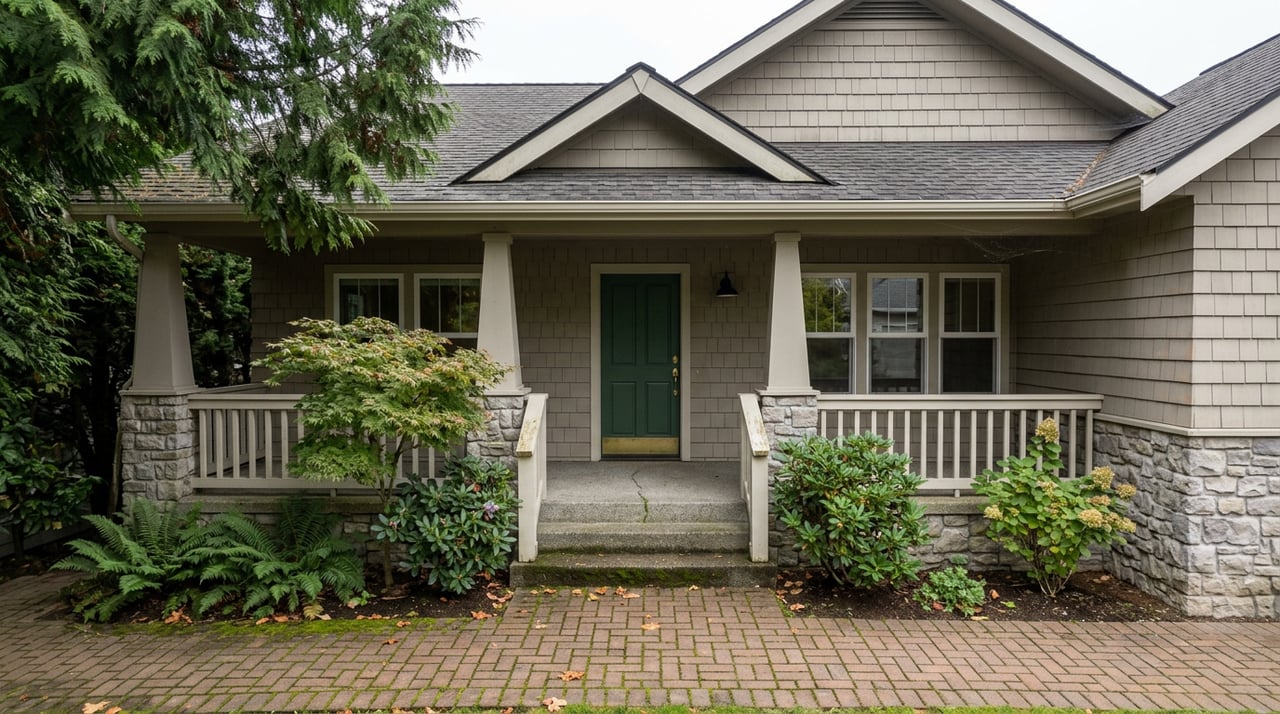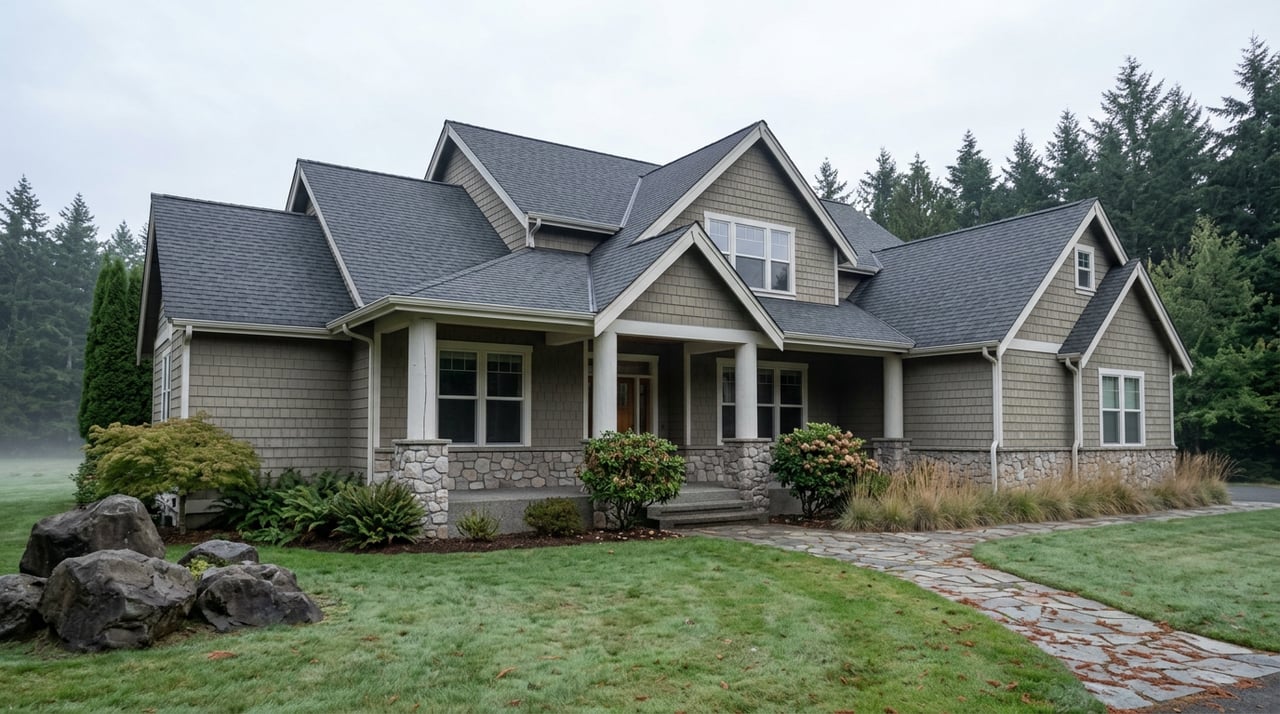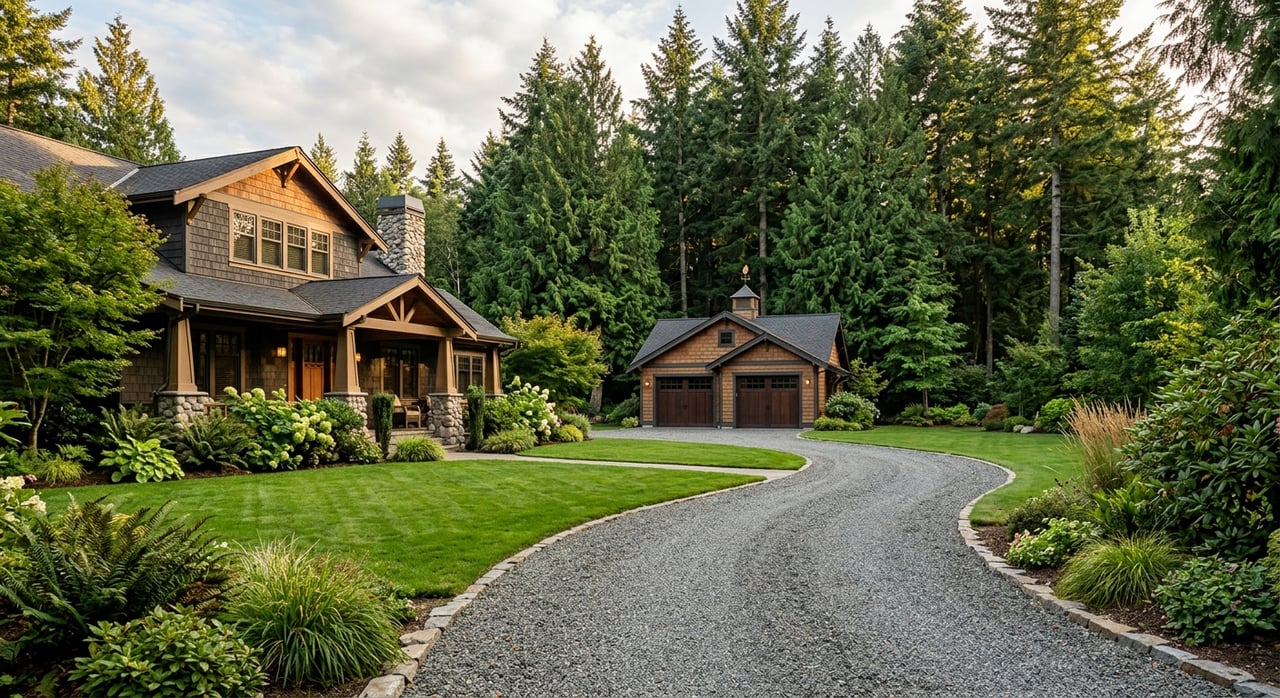
If you are dreaming about extra space, a shop, a garden, or a few acres to spread out in Pierce County, Graham probably keeps showing up on your list. That makes sense, but buying a home with land here is not quite the same as buying a typical suburban lot. In Graham, the details behind the parcel matter just as much as the house itself. This guide will help you understand what to check before you buy, what questions to ask, and where surprises can happen so you can move forward with more confidence. Let’s dive in.
Why Graham land purchases need more homework
Graham includes a mix of suburban, rural, and resource land designations under Pierce County planning rules. That means two properties that look similar on a map can come with very different rules for how the land can be used.
Pierce County’s Graham Community Plan includes suburban classifications like SR, MUD, MHR, and RR, along with rural and resource classifications such as R5, R10, R20, RSR, RF, RAC, RNC, ARL, FL, and PR. For you as a buyer, that means the listing description should be a starting point, not the final answer.
Check zoning before you fall in love
When you buy a home with land in Graham, zoning is one of the first things to verify. Pierce County directs buyers to use its parcel and zoning lookup tools, including the About My Property tool, to confirm the designation tied to a specific parcel number or address.
This matters because acreage is not just about how big the parcel looks. It also affects what may be allowed on the land and how the property functions over time.
Graham lot sizes can vary by zone
In Graham’s rural density table, minimum lot sizes are 5 acres in R5 zones, 10 acres in R10, RSR, RF, and ARL zones, and 20 acres in R20 zones. So if you are comparing two acreage properties, the zoning may explain why one parcel offers different future options than another.
Buildable area may be smaller than the parcel size
Pierce County notes that lot width and building-envelope rules can be affected by critical-area and low-impact-development requirements. In simple terms, a parcel may include land that is not fully usable for building, expansion, or certain improvements.
The county also states that RSR zones are intended to protect environmentally sensitive areas such as stream corridors, aquifer recharge areas, and fish and wildlife habitat. If you are hoping to add structures or make changes later, this is a key part of your due diligence.
Wells and water questions to ask early
Many Graham properties rely on private wells rather than public water. That does not make them a bad choice, but it does mean you should verify the well carefully instead of assuming the water setup is fine because the home is occupied.
Washington State Department of Health says private well owners are responsible for testing their own water. The agency recommends annual testing for coliform bacteria and nitrate, plus arsenic testing at least twice during ownership.
Review the well log if one exists
Washington Ecology provides a well report viewer where buyers can search well logs. These logs can show construction details, subsurface characteristics, location information, and how much water the well produces.
That information can be especially useful if you want more than basic household use. A property that works fine for everyday living may raise different questions if you hope to irrigate land or support a hobby-farm setup.
Water use can affect future plans
Ecology says water is not a property right in Washington, so a new well can involve both water availability and legal-use questions. The agency also states that a water right may be needed if the intended use exceeds 5,000 gallons per day or irrigates more than one-half acre.
If your plans include gardens, pasture irrigation, or expanded outdoor use, this is worth checking early. It is much easier to understand those limits before closing than after you own the property.
Septic systems deserve close attention
Septic is another major part of buying land in Graham. Tacoma-Pierce County Health Department regulates septic systems and wells in Pierce County and approves septic system design, location, and installation.
For a buyer, the big takeaway is simple: ask for records and confirm the current condition of the system. A working septic system is essential, and repairs or replacement can add time and cost.
Ask for a Report of System Status
For septic properties being sold, the local guidance recommends pumping and inspecting the system before closing and obtaining a Report of System Status, also called an RSS. The RSS states the condition of the system at the time of inspection and is valid for one year.
The county also offers a 90-day conditional RSS when deficiencies remain unresolved. If you are considering a property with septic, ask for the RSS, the pumping history, and any known issues that still need attention.
Outbuildings, shops, and barns
A lot of buyers look at Graham because they want room for more than the main house. Maybe you want a shed, a detached shop, a barn, or flexible space for tools and equipment. That is possible on some properties, but the parcel rules still come first.
Pierce County’s permit-exemption guide says some smaller detached structures may be exempt from a building permit. Even so, exempt does not mean unrestricted.
Small sheds may be exempt
One-story detached tool or storage sheds, playhouses, and similar residential structures up to 200 square feet can be permit-exempt in some residential settings. However, they still must meet property-line setbacks and be placed in a location allowed by the county.
The same 200-square-foot threshold may apply to well and pump houses, but potable-water plumbing still must be permitted and inspected. So even a small utility structure can involve more than one layer of review.
Agricultural structures have separate rules
Pierce County’s agricultural-structure affidavit allows some single-story detached agricultural structures up to 600 square feet and 14 feet in total height to be exempt in certain cases. But the parcel must be at least 5 acres, no more than two such exempt structures can exist on the parcel, and the owner must record the affidavit and site plan.
If the project adds more than 500 square feet of impervious surface, a site-development permit is required. The structure also still must meet setback and critical-area rules.
Barn and animal-use setbacks matter
Pierce County’s farm-structures guidance says barns, stables, riding arenas, cages, coops, and similar animal enclosures used as a principal use must be set back 45 feet from adjacent property lines. Critical areas can require even larger setbacks.
So if a property looks ideal for animal use, do not assume the current open space tells the whole story. The actual placement options may be more limited than you expect.
ADU potential on larger parcels
Some buyers also want extra space for multigenerational living or guest use. In Pierce County, accessory dwelling units are allowed only as an accessory to an existing single-family home.
Outside the Urban Growth Area, an ADU may be up to 1,250 square feet and requires a building permit. If this feature matters to you, it is smart to confirm both the parcel location and the current county requirements before you buy.
Graham pricing may surprise you
Some buyers assume Graham will always be the lower-cost option because it has a more rural feel. Current market numbers suggest it is not that simple.
In March 2026, Graham’s median sale price was reported at $570,000, compared with $485,000 in Tacoma and $525,000 in Lakewood. That does not mean every Graham property costs more, but it does show that space and land do not automatically equal a bargain.
Raw land and improved property are different
Current Graham land listings show a wide price range, from about $199,000 to $1.5 million, with a median listing price of $625,000. That spread suggests that value depends on more than acreage alone.
Build readiness, utility access, septic status, well information, and site constraints can all shape price. When you compare properties, try to look beyond the number of acres and focus on how usable the land really is.
A smart checklist for Graham acreage buyers
If you are serious about buying a home with land in Graham, keep your due diligence focused on the parcel itself as much as the house.
Key items to verify
- Zoning designation through Pierce County parcel tools
- Minimum lot size and any zoning-related use limits
- Critical-area or site constraints that affect the buildable area
- Water source, well records, and water testing history
- Septic inspection records and current RSS
- Existing permits for structures, additions, or major improvements
- Rules for sheds, shops, barns, ADUs, or agricultural structures
- Whether your future irrigation or outdoor-use plans could raise water-right questions
Why local guidance matters
Buying land in Graham usually involves more moving parts than buying a standard neighborhood lot. You are not just evaluating bedrooms, finishes, and curb appeal. You are also evaluating zoning, infrastructure, permitting, and what the land can realistically support.
That is where local experience helps. When you have a guide who understands Pierce County property patterns and knows which questions matter early, you can make better decisions and avoid costly surprises later.
If you are exploring homes with land in Graham or anywhere in Pierce County, the Franklin Home Team is here to help you evaluate the whole property, not just the listing photos.
FAQs
How do you check zoning for a home with land in Graham, Washington?
- Pierce County says you can use its About My Property tool or other county zoning lookup resources with the parcel number or site address to confirm the zoning designation.
What should you ask about a Graham septic system before buying?
- Ask for the Report of System Status, pumping and inspection history, and any unresolved deficiencies so you understand the system’s condition at the time of inspection.
Is a private well a problem when buying land in Graham?
- Not necessarily, but Washington State Department of Health says private well owners are responsible for testing, and Ecology well logs can help you review construction details and reported well production.
Can you build a shed or shop on a Graham acreage property?
- Possibly, but the answer depends on the parcel, setbacks, and county rules. Small detached sheds up to 200 square feet may be permit-exempt in some cases, while larger agricultural structures have separate conditions.
Can a Graham property support hobby-farm use or irrigation?
- It depends on the zoning, critical-area constraints, and planned water use. Ecology says a water right may be needed if water use exceeds 5,000 gallons per day or irrigates more than one-half acre.