If a townhome sells for the mid-$400,000s in a part of Tacoma where the September 2026 North Tacoma median was $590,000, how much of that gap comes from the house and how much from the deed?
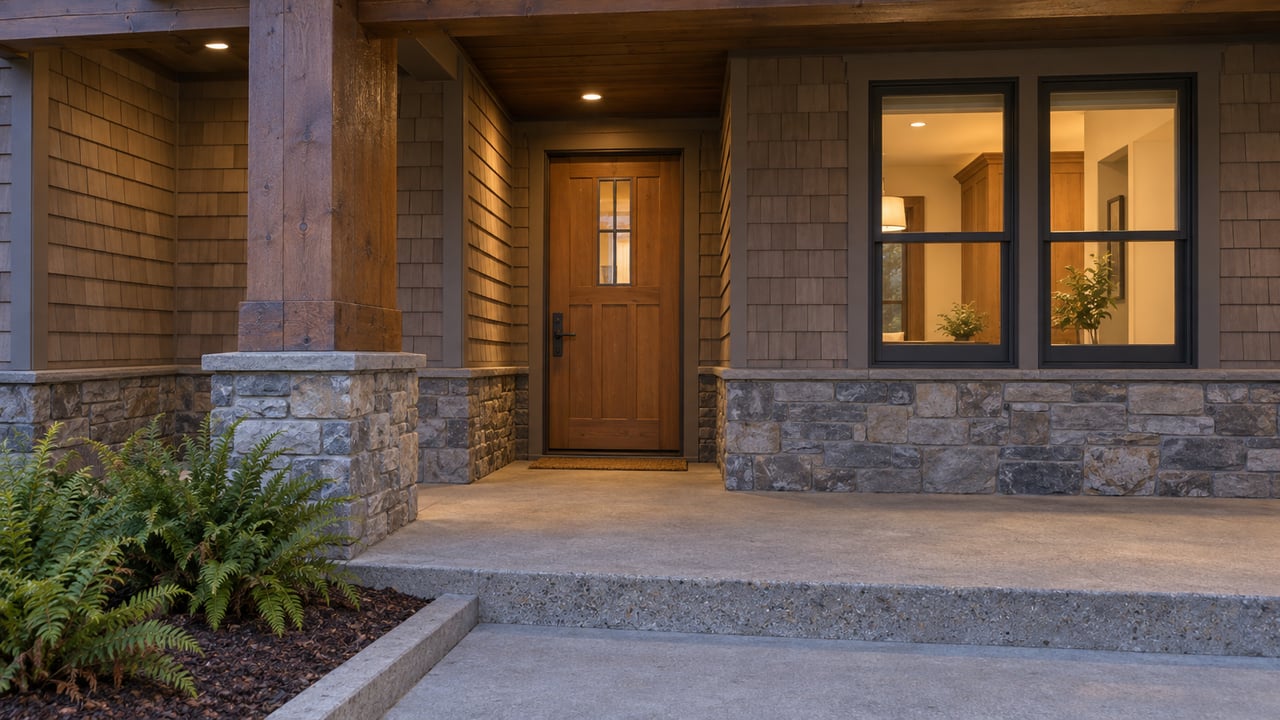
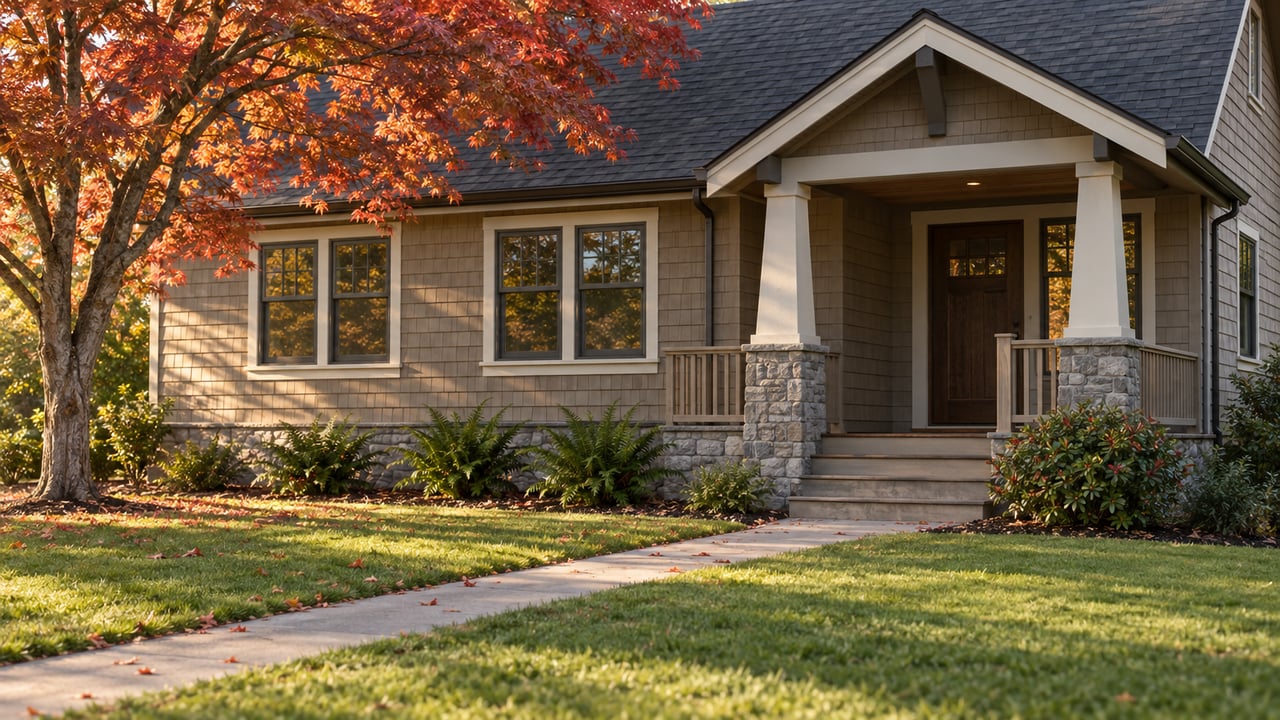
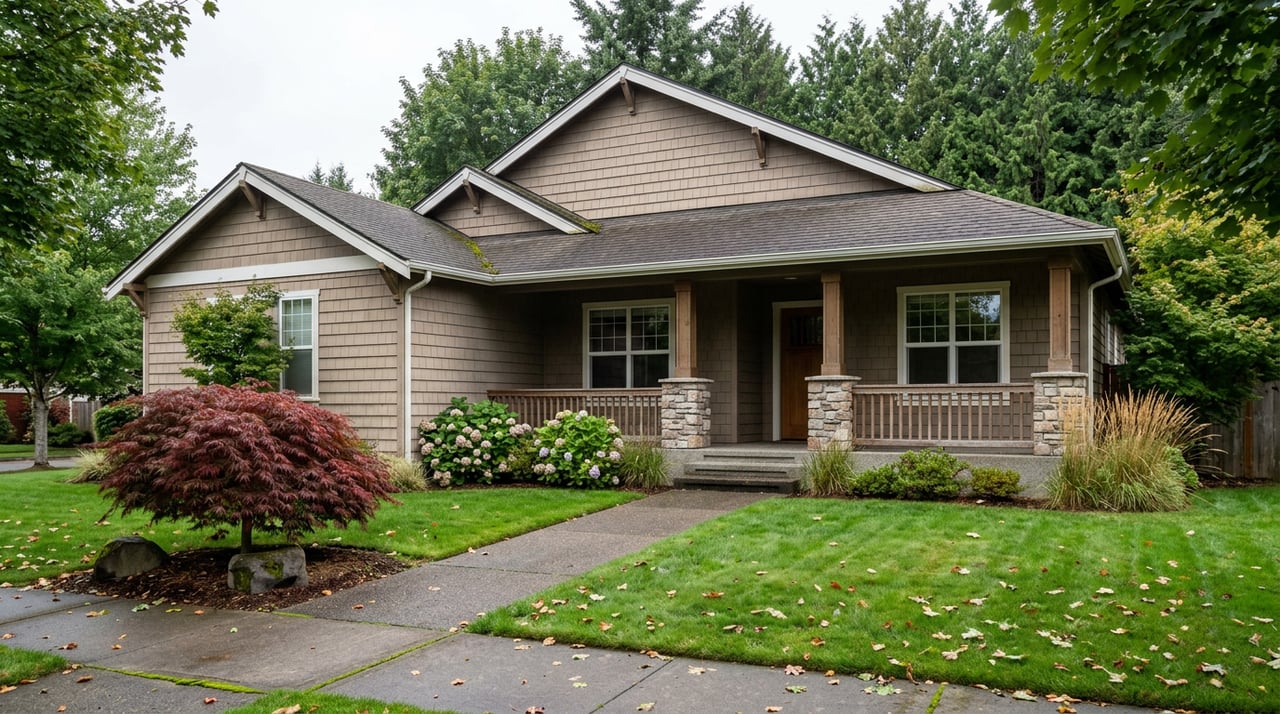
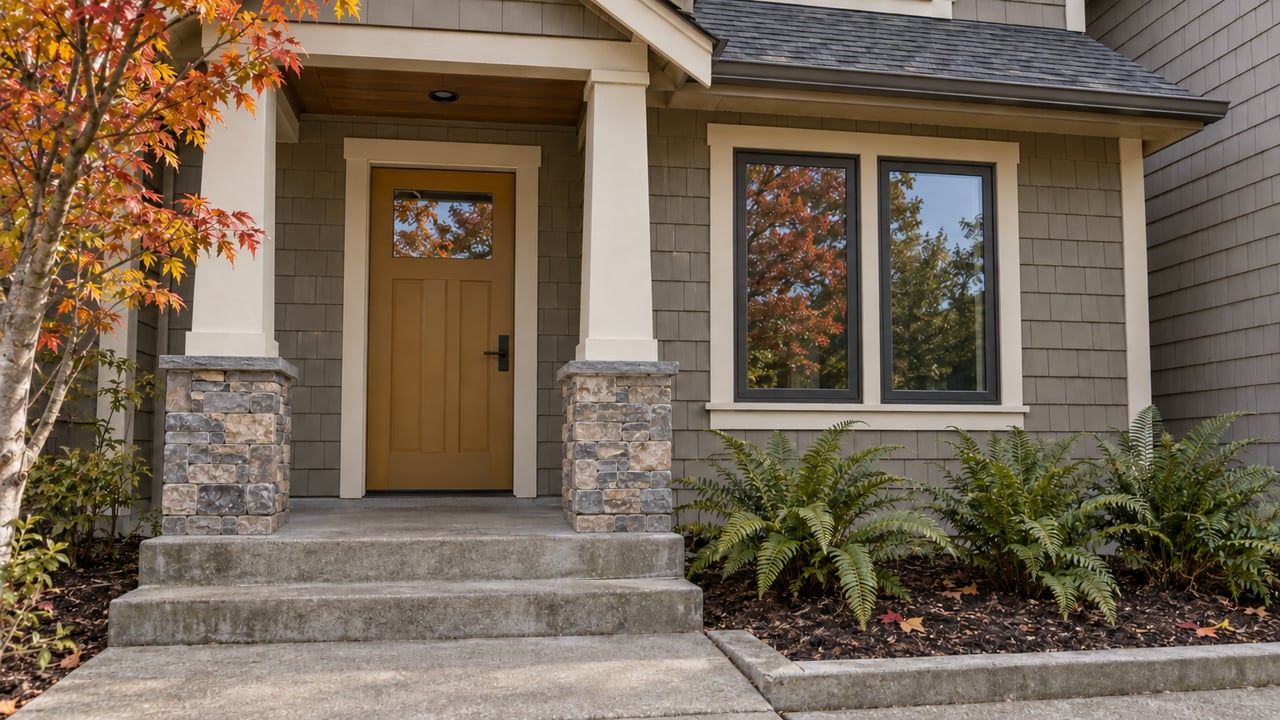
At 4510 N. 26th St., near North Stevens Street, that kind of asking price was attached to a 950-square-foot, two-bedroom townhome on its own lot behind a new Craftsman. The News Tribune reported in February 2026 that developer-builder William McCaffrey of The Nexus Studio replaced one single-family lot with three homes. Two are townhomes priced in the mid-$400,000s. The third is a 1,500-square-foot, two-bedroom Craftsman priced in the mid-$700,000s. Each can be owned separately. Both townhomes listed on a Wednesday night at 7:30 and were under contract by Thursday night.
The city called it the first completed project to use Home in Tacoma for more than a single backyard unit. It also shows how a new, lower price tier is forming in one of Tacoma's priciest areas. Part of the discount reflects a smaller home. The rest reflects a narrower bundle of ownership rights, and Tacoma's fee schedule now makes that bundle cheaper for builders to produce.
The Sentence on the Plat That Shapes the Price
Under Tacoma's code, a unit lot is a piece of a larger parent lot. Once the unit-lot plat is recorded, it can be sold on its own. The code presents this fee-simple ownership as an alternative to a condominium.
The rights have limits. Tacoma's unit lot subdivision rules require the plat to state that unit lots are not buildable independent of the overall development. Any future work can also be limited by the parent lot's standards and approval conditions. Zoning setbacks and similar dimensional standards apply to the whole parent site, so the smaller unit lots can vary from them. That flexibility doesn't allow uses or density the zone wouldn't otherwise permit.
A buyer of a detached house on a standard Proctor lot usually thinks of the lot as theirs to change, within zoning. A unit-lot buyer owns land whose future is tied to the project approval it came from.
What Gets Shared, and Where It Is Written Down
The plat also carries the site's working parts. It must show streets and ways, utilities, site development, driveways, parking layout and building details, along with the approval conditions and the unit-lot limits.
Tacoma requires recorded easements, joint-use and maintenance agreements, or CC&Rs to divide rights and responsibilities among owners or a homeowners association for:
- Shared garages, parking and vehicle access
- Drainage and underground utilities
- Common open space and pedestrian facilities
- Exterior facades and roofs, in developments where that applies
Your parking space doesn't have to sit on your lot. The code allows a home's parking on another lot or tract as long as an easement on the plat secures the right to use it. At 4510 N. 26th St., the townhomes have two parking spots in back plus bike storage. The Craftsman has a detached two-car garage. The city can also require an HOA or another permanent shared-use agreement, and a separate common tract for access and utilities. Under state subdivision law, any part of the parent lot not assigned to a unit lot must be held in common by the unit-lot owners or their HOA.
In practice, buyers have more documents to read during a unit-lot purchase than with a typical detached sale. The documents are recorded, so they can be pulled and read before inspection deadlines run out.
A House on Paper, a Shared Building in Practice
People often call these townhomes condos. The legal structure is different, and the difference affects what the buyer holds.
| Tacoma unit lot | Washington condominium | |
|---|---|---|
| What the buyer owns | A fee-simple lot and the home on it | A unit plus an undivided interest in common elements |
| Land nobody owns individually | Held in common by lot owners or an HOA | Part of the common elements |
| Can the lot be built on separately? | No, the plat must say so | Not applicable |
| How shared items are governed | Recorded easements, joint-use and maintenance agreements, CC&Rs or an HOA | The condominium's common-element structure |
MRSC, which advises Washington cities, describes unit lot subdivision as a way to get separate ownership without going through the condominium process. How mortgage lenders treat these homes compared with condos or detached houses is a question for your lender before you write an offer.
The Fee Table That Rewards Splitting the Lot
The lower price isn't only about the buyer's side. Since June 1, 2026, Tacoma has charged a transportation impact fee. It is assessed when a building application is submitted and must be paid before the building permit is issued. The city's published fee schedule sets these North Tacoma rates per dwelling, before a 3% administrative fee:
| North Tacoma home type | Fee per dwelling unit |
|---|---|
| Single-family house | $6,920 |
| One- to two-story multi/townhome | $3,869 |
| Accessory dwelling unit | $3,460 |
Two townhomes cost $7,738 in base fees, or $818 more than one detached house. A builder can put two separately sold homes on a site for little more than the fee on one. The 4510 N. 26th St. site was bought in fall 2024, before this fee started. Projects now entering review face the new math.
Fees can also push the other way. In a May 2026 News Tribune story on Home in Tacoma's first year, developers pointed to fees for water, electricity, off-site work and tree-canopy rules, plus the new impact fee. One developer said his team usually keeps projects to four or fewer units to avoid higher costs. Put together, the cost structure favors small splits. Two to four separately owned homes on one former single-family lot is the product the incentives produce most easily, and 4510 N. 26th St. is a three-home version of it.
How Many More Are Coming to the North End
The city's first-year Home in Tacoma report counted 213 applications for 385 proposed units in its Urban Residential zones from February 2025 through January 2026. Only 8% of those applications were complete. The North End led all areas with 20.7% of applications. The city doesn't break out Proctor on its own.
Activity has picked up since. The city's Q2 2026 update recorded 148 applications for 332 units between April and June 2026, with duplexes and townhouses making up about three-quarters of proposed units. That quarter's applications were concentrated in the South End.
The city's rolling permit report, which lists projects valued at $100,000 or more but doesn't tag which ones use Home in Tacoma, shows two North Tacoma sites this month:
- 5119 Commons, 5119 N. 31st St. Five attached townhomes, a three-unit rowhouse and a two-unit houseplex, with Grit City Builders as contractor. Site development review was in progress as of Oct. 6, 2026.
- Orchard Cottages, 1801 N. Orchard St. A four-lot unit subdivision under revision review as of Oct. 9, 2026. The entry doesn't list the number or type of homes.
The city's year-one report says there isn't enough completed-project data yet to report reliably on prices. For now, 4510 N. 26th St. is the clearest public price example for this kind of home near Proctor.
What September's Numbers Mean for a Buyer With Documents to Read
The 24-hour contracts at 4510 N. 26th St. happened in a busier market than the one buyers face now. In September 2026, NWMLS reported 181 active listings in North Tacoma map areas 13 through 25, up from 129 in September 2025. Pending sales fell to 60 from 77, and closings totaled 63 at a $590,000 median, with 2.87 months of inventory. The same report shows the median down 12.59% from a year earlier. With only a few dozen closings a month, though, a shift in which homes happened to sell can move that figure more than prices did. Residential-only North Tacoma sales averaged 36 days on market in September 2026.
Across Pierce County, the September 2026 median was $575,000 on 862 closings, with 3.79 months of inventory. NWMLS reported on Oct. 6, 2026 that inventory across its service area had reached its highest level since 2014.
More listings and fewer pending sales give a unit-lot buyer time to go through the plat, easements and maintenance agreements before committing. That matters more for this product than for a detached house, because so much of what the buyer gets is written in those recorded documents.
Frequently Asked Questions
Can I add a backyard unit to a unit lot later? The plat must state that unit lots are not buildable independent of the overall development, and future work may be limited by the parent lot's standards and approval conditions. The recorded plat for that specific project is where to check.
Is a unit-lot townhome a condo? No. Tacoma's code treats it as fee-simple ownership of a lot, an alternative to a condominium. Shared land is still held in common by the owners or an HOA.
Will parking or tree rules change for these projects? Tacoma has draft updates to its parking and tree-and-landscape codes, but neither had been adopted when the city last updated its project pages. Home in Tacoma already removed residential parking minimums in its mapped Urban Residential reduced-parking area and for ADUs, according to a March 2026 Planning Commission packet.
If you own a larger North End or Proctor lot and wonder how this split-lot math affects what your home is worth to the next buyer or builder, Franklin Home Team can walk through the numbers with you, starting with a simple question: What's Your Home Worth?
This article is general information, not legal, tax or financial advice. Consult a qualified professional about your situation.