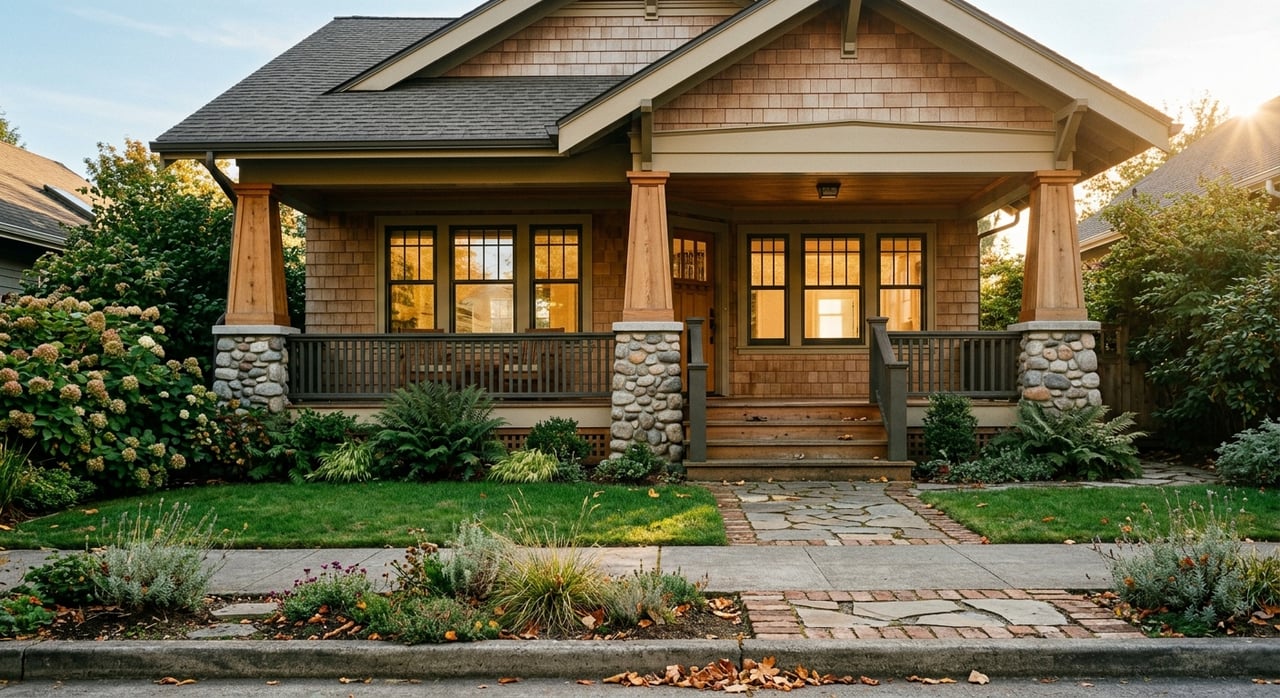
Ever wish you could run a few errands, grab coffee, browse local shops, and still have time for a waterfront walk without spending your whole day in the car? That is a big part of what draws people to Tacoma’s Proctor District. If you are exploring North Tacoma neighborhoods or thinking about buying a home nearby, Proctor offers a practical mix of daily convenience, local character, and a pedestrian-friendly setting. Let’s take a closer look at what a day in Proctor can actually feel like.
Why Proctor Feels So Walkable
Proctor stands out as one of Tacoma’s neighborhood centers, which the city describes as compact areas with small- to medium-scale development that serve daily needs. In plain terms, that means you can find shops, food, and services in a setting designed for walking and window shopping instead of hopping from parking lot to parking lot.
That walkable feel is not accidental. Tacoma’s current Proctor Neighborhood Plan highlights pedestrian safety, human-scale design, outdoor community space, sustainability, and affordability in both commercial and residential areas. Recent neighborhood improvements like red-curb painting, depave work, and the Proctor Blocks open-streets series show that walkability is part of the public plan for the area.
Start Your Day at Proctor Farmers’ Market
A classic Proctor morning often starts at the Proctor Farmers’ Market. The market calls itself Tacoma’s only year-round farmers market, with Saturday hours from 9 a.m. to 2 p.m. at North 27th and North Proctor Streets.
If you like the idea of doing your shopping in one stop, this market makes that easy. According to the market, you can find local produce, flowers, artisan foods, meats, cheese, eggs, plants, gifts, lunch items, and weekly music. The market also accepts SNAP Market Match and other Washington nutrition incentive programs, which adds to its role as a regular community resource.
For buyers, that kind of weekly routine matters more than people sometimes expect. A neighborhood market can shape how your weekends feel, especially if you want everyday life to include fresh food, familiar faces, and a reason to be outside.
Coffee, Lunch, and Local Stops
Once you have made your market loop, the rest of the district is easy to explore on foot. The Proctor Business District is known for shopping, coffee, restaurants, and annual events, and current tourism listings show a mix of local businesses that give the area its day-to-day energy.
A few examples include The Pacific Northwest Shop, Compass Rose, Proctor Art Gallery, Culpepper Books, Megs & Mo Upscale Resale, and Viva Tacoma. On the food side, listings name places like Pomodoro, Cook’s Tavern, Peaks & Pints, Top Pot Doughnuts, and Chalet Bowl + 26th St. Café.
What makes this appealing is the variety packed into a relatively compact area. You can start with coffee, pick up a gift, browse books, stop for lunch, and handle a few small errands without turning the day into a long drive across town.
Proctor Supports Everyday Errands
Some neighborhoods are fun to visit but harder to live in day after day. Proctor’s strength is that it works well for both. City guidance describes neighborhood centers like Proctor as places that serve daily needs, which helps explain why the district feels useful, not just charming.
If you are considering a move, that practical side can be a big quality-of-life factor. Being able to walk for a quick outing, a meal, or a weekend market trip can make your routine feel simpler and more connected to the neighborhood around you.
Historic Character Meets Ongoing Change
Proctor’s built environment tells a long story. A Historic Tacoma survey found commercial, institutional, and residential properties built roughly from 1905 to 1964, and described the district as a typical early-20th-century neighborhood commercial area.
In the inventoried sample, 73.3% of buildings were built between 1900 and 1930. The survey noted a mix that ranged from modest one-story homes to one- and two-story commercial buildings, with some older houses later converted into businesses.
For you as a buyer, that helps explain why Proctor can feel established and layered rather than uniform. You may notice older homes, longtime storefronts, and small-scale buildings that reflect the neighborhood’s historic fabric.
At the same time, Proctor is not frozen in place. On June 2, 2026, Tacoma approved a 12-year MFTE agreement for a 98-unit Proctor Mixed-Use Center project, with 20% of units reserved as affordable housing. That points to selective new multifamily development near the core, adding another chapter to the neighborhood’s housing mix.
What Buyers Should Know About Housing
If you are home shopping in and around Proctor, the housing story is best understood as a blend. You have older residential character, small-scale commercial reuse, and newer mixed-use development near the district center.
That mix can appeal to buyers who want access to a walkable business district while still being in North Tacoma. It also means your home search may include a range of property types and streetscapes depending on how close you want to be to the commercial core.
For buyers comparing Tacoma neighborhoods, Proctor is less about a single housing style and more about the lifestyle that comes with the location. The real value for many people is being close to a district where daily needs, local businesses, and neighborhood outings can all fit into a normal week.
Add a Waterfront Outing to the Day
One of Proctor’s lifestyle advantages is its proximity to Ruston Way. City planning materials note that the neighborhood is close to the waterfront, which makes it easy to connect a walkable district day with time near the water.
Parks Tacoma describes Ruston Way as a two-mile scenic waterfront with walking, jogging, biking, fishing, and water access. Smaller parks along the way include Judge Jack Tanner Park, Dickman Mill Park, Hamilton Park, Jack Hyde Park, and Chinese Reconciliation Park.
That nearby waterfront access broadens what a day in Proctor can look like. You might spend the morning at the market, have lunch in the district, and then head toward Ruston Way for a walk or some time outdoors.
Small Places Shape Daily Life
When people search for homes, they often focus first on square footage, bedroom count, and price. Those things matter, of course, but the feel of daily life matters too. A neighborhood like Proctor stands out because it offers a setting where small routines can feel easier and more enjoyable.
That could mean walking to a Saturday market, stopping into a local bookstore, or meeting a friend for coffee without making it a major outing. It could also mean enjoying a neighborhood with a strong historic identity that continues to evolve in thoughtful ways.
Is Proctor a Good Fit for You?
If you want a North Tacoma area that blends local businesses, pedestrian-friendly streets, historic character, and nearby waterfront access, Proctor is worth a closer look. It offers a kind of convenience that feels grounded in place, with a district shaped by both longstanding buildings and current city planning priorities.
For some buyers, that walkable lifestyle is the main draw. For others, it is the combination of neighborhood character and practical day-to-day access that makes Proctor stand out.
If you are thinking about buying or selling in Tacoma and want help understanding how neighborhoods like Proctor fit your goals, the Franklin Home Team is here to help with clear guidance, local insight, and full-service support.
FAQs
What is the Proctor District in Tacoma known for?
- The Proctor District is known for its walkable neighborhood center, year-round farmers market, local shops, cafés, restaurants, and a mix of historic character and everyday convenience in North Tacoma.
Is the Proctor District in Tacoma walkable?
- Yes. Tacoma planning documents describe Proctor as a neighborhood center designed around daily needs, walking, and window shopping, with current planning priorities focused on pedestrian safety and human-scale design.
What can you do in Tacoma’s Proctor District on a weekend?
- You can visit the Proctor Farmers’ Market, get coffee or lunch, browse local shops and galleries, explore bookstores and boutiques, and combine your outing with nearby time on the Ruston Way waterfront.
Does the Proctor District have a farmers market?
- Yes. The Proctor Farmers’ Market says it is Tacoma’s only year-round farmers market and holds Saturday market hours from 9 a.m. to 2 p.m. at North 27th and North Proctor Streets.
What is the housing character like near Tacoma’s Proctor District?
- Housing near Proctor reflects a blend of older residential character, historic commercial buildings, some adaptive reuse of older houses, and selective newer multifamily development near the mixed-use center.
Is the Proctor District close to Ruston Way?
- Yes. City planning materials note Proctor’s proximity to Ruston Way, which offers a two-mile scenic waterfront with walking, jogging, biking, fishing, water access, and several small parks.