Wondering how to get top dollar for a home in Tacoma’s Stadium District? This is not a neighborhood where a basic clean-up and a yard sign are enough. If you are getting ready to sell, you need a plan that respects the area’s historic character, highlights the features buyers actually pay for, and prices the home with real neighborhood context. Let’s dive in.
Why Stadium District selling is different
Tacoma’s Stadium-Seminary Historic District is a bluff-top residential neighborhood known for substantial homes built roughly between 1888 and 1930. The area includes nearly 400 buildings across about 50 blocks, with tree-lined streets and views toward Commencement Bay, Puget Sound, and the Olympic and Cascade ranges.
That matters because buyers in the Stadium District are often drawn to more than square footage alone. In many cases, they are responding to the setting, the architecture, and the original details that give the home its identity.
Focus on the features buyers value
Before you make updates, it helps to understand what makes a Stadium District home stand out. In this neighborhood, details that might feel ordinary to you can play a major role in how buyers see value.
Features worth protecting and highlighting often include:
- Original staircases
- Millwork and built-ins
- Hardwood floors
- Fireplaces
- Porches
- Original windows
- Large windows that bring in light
- View corridors toward water or mountains
In a historic, view-oriented area like this, these are not just decorative extras. They can be part of what separates your home from other listings.
Check historic status before exterior changes
One of the most important pre-listing steps is verifying your property’s historic designation. Tacoma makes a clear distinction between local historic districts and places that are listed only on the National or Washington registers.
For properties in districts listed at the state or federal level, private owners generally do not face local historic restrictions for ordinary work, apart from demolition review. By contrast, local historic districts and certain landmark properties may require historic approval for visible exterior changes.
That is why you should confirm your property’s status with Tacoma’s Historic Preservation Office before making exterior updates. This is especially important if you are considering changes such as:
- Replacing windows
- Altering a porch
- Changing railings
- Repainting exterior trim in a new color scheme
- Making other facade changes visible from the street
The good news is that the Stadium-Seminary area is listed on the state and or National Registers rather than designated as a local Tacoma historic district. For many sellers, that means ordinary maintenance and cosmetic work may not trigger local historic approval unless the individual property has separate landmark status or the work involves demolition.
Plan updates with care
That distinction can save you time and stress. It also helps you avoid delaying your listing based on the assumption that every repair or cosmetic improvement needs a major preservation review.
Still, careful planning matters. If a project affects the home’s exterior appearance from a public right of way, it is smart to verify the rules early rather than find out later that a change needs review.
The Landmarks Preservation Commission oversees local landmarks, local historic districts, and certain tax incentive programs. The City also notes that some minor projects may qualify for expedited administrative review.
Price with Stadium District comps, not Tacoma averages
The broader Tacoma market still suggests meaningful seller leverage, but pricing discipline matters. Over the three months ending April 2026, Tacoma’s median sale price was reported at $492,995, homes sold in about 12 days, and the average home received about three offers.
At the county level, Pierce County had 2.52 months of inventory in April 2026. That is below the 4-to-6-month benchmark many use for a balanced market, even as active listings were up year over year.
Those numbers are useful for context, but they should not be your pricing plan. Stadium District homes, especially those with notable views and architectural pedigree, can behave very differently from the Tacoma median.
Directional market data for view homes in the Stadium-Seminary area showed a median listing price of about $1.11 million, around 91 days on market, and one offer on average. While that is not a substitute for direct MLS analysis, it suggests that higher-end view homes can sit longer and face more selective buyers.
What to adjust for when pricing
A smart pricing strategy in the Stadium District should start with nearby comparable homes in the Stadium District, North End, Old Town, and other similar elevated view settings. Tacoma-wide averages can support the conversation, but they should not drive the final number.
Key pricing adjustments often include:
- Quality and width of the view
- Parking availability
- Lot usability
- Degree of original condition
- Quality of preservation
- Market appeal of historic details
- Overall presentation and readiness for market
This is where neighborhood-level expertise really matters. A home with strong views and preserved character may deserve a premium, but only if condition, positioning, and buyer expectations line up.
Prep the exterior for first impressions
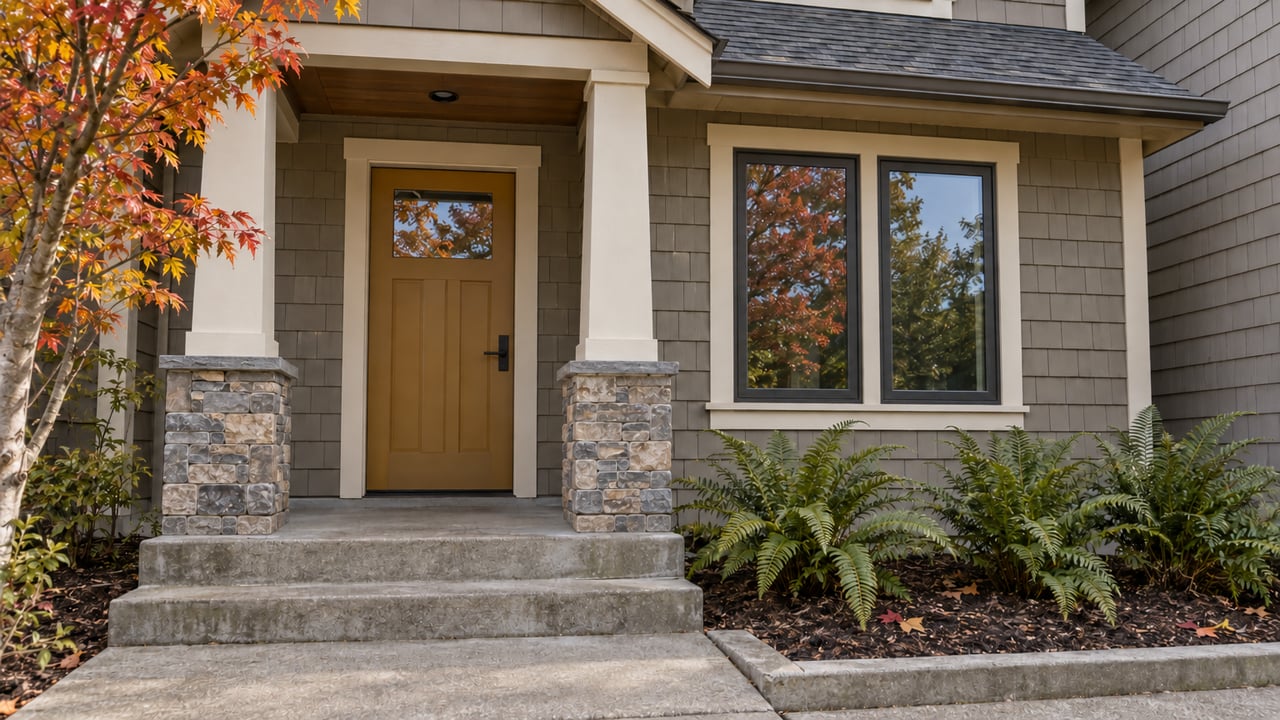
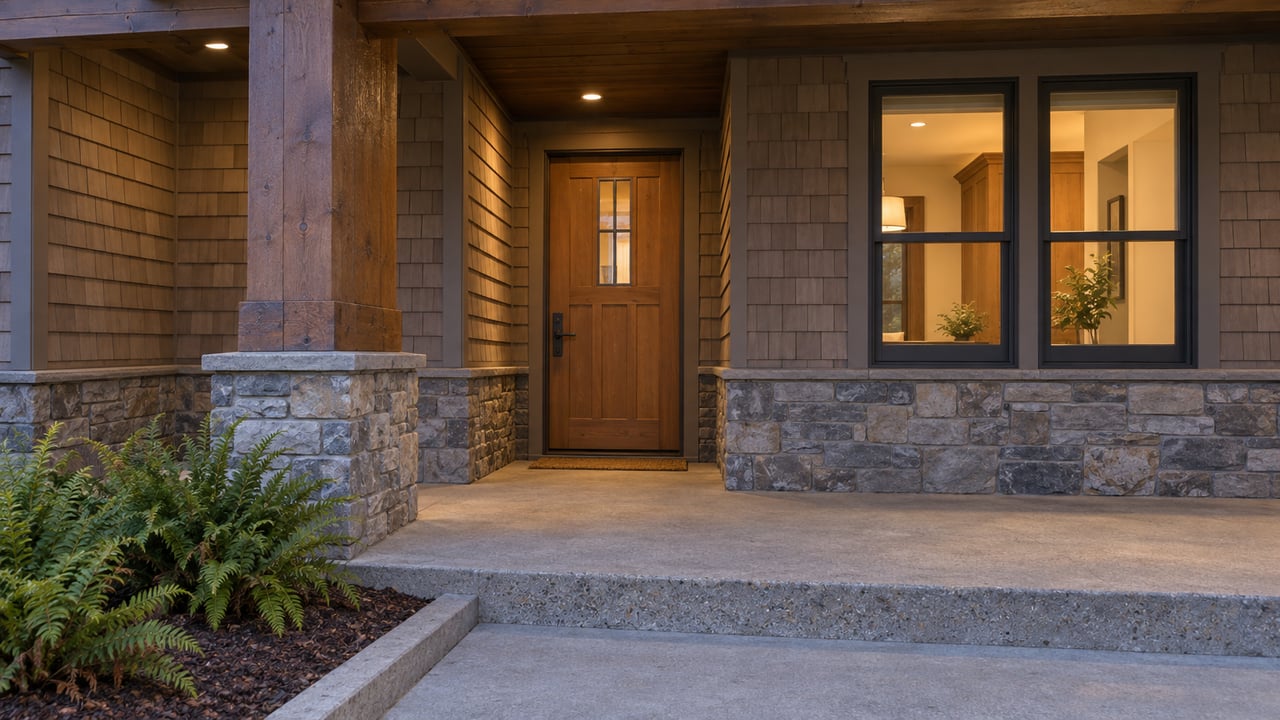
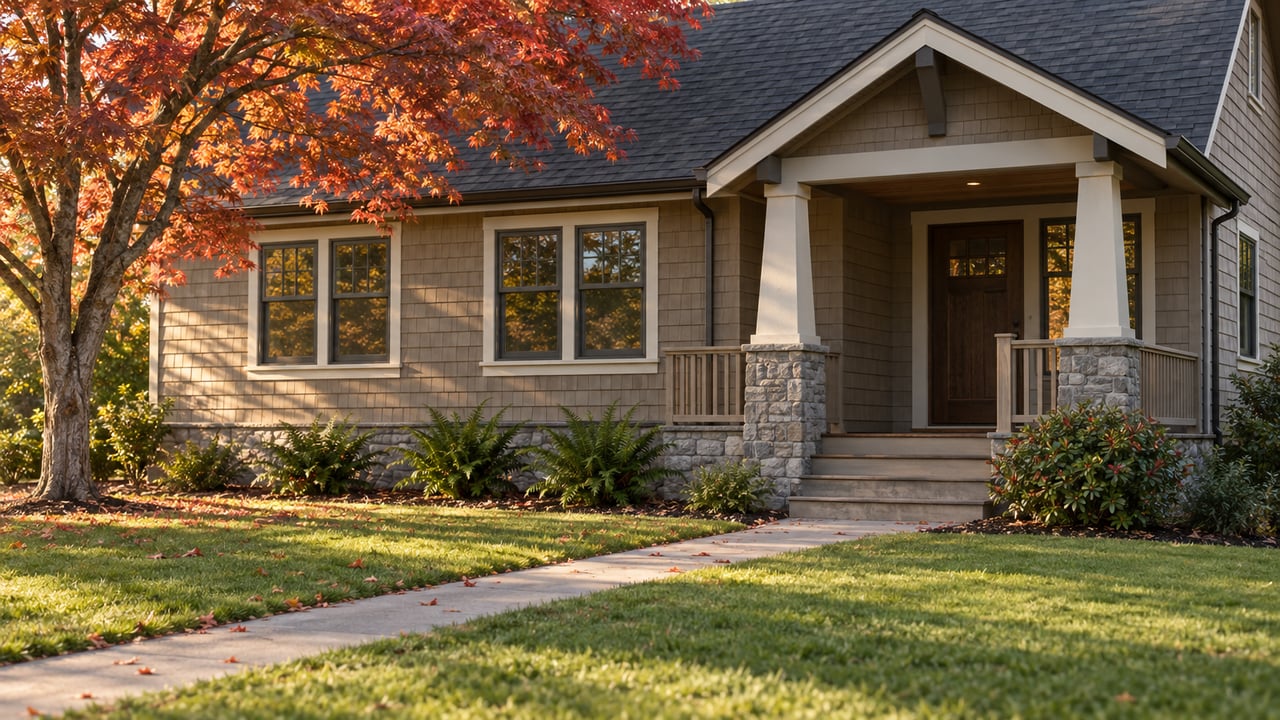
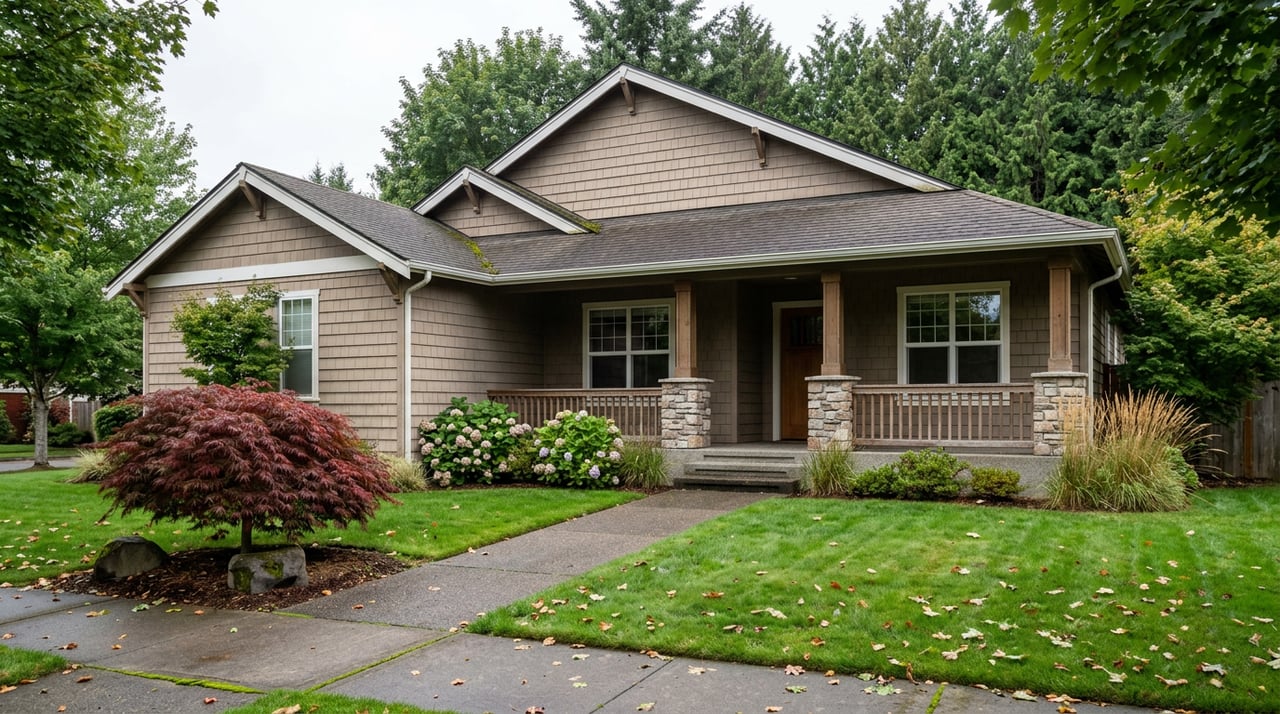
In the Stadium District, curb appeal carries extra weight. The neighborhood’s historic streetscape, mature trees, and strong visual character mean your home is being judged not only as an individual property, but also as part of a highly recognizable setting.
Before listing, focus on a clean, polished exterior that reads well both in person and in photos. Sellers often benefit from prioritizing:
- Paint touch-ups
- Gutter cleaning
- Trim repair
- Fresh landscaping
- Tidy walkways
- A clear, welcoming front entry
You do not need to erase the home’s age or character. You want buyers to see a property that feels cared for, visually coherent, and true to the neighborhood.
Stage the interior around character
Inside the home, the goal is not to compete with period details. It is to make them easier to notice.
That usually means simplifying the space so buyers can focus on craftsmanship, scale, and natural light. In many Stadium District homes, less furniture and fewer accessories can make staircases, built-ins, woodwork, and window lines feel more impressive.
Helpful staging priorities often include:
- Removing oversized furniture
- Clearing clutter from windows
- Keeping porches and entry areas open
- Letting fireplaces and millwork stand out
- Using a lighter touch with decor
The result should feel warm and inviting, but not crowded. Buyers should be able to picture the architecture first, then their life in it.
Use photography that sells the setting
In this neighborhood, marketing photos need to do more than document rooms. They should tell the story of the house and its setting.
That includes the facade, the tree-lined street, the approach to the porch, standout interior details, and the home’s best light and view angles. If your home has outlooks toward water, mountains, or the surrounding canopy, those visuals should be captured clearly and intentionally.
Strong listing copy should follow the same approach. Instead of leading with room count alone, the description should explain what is distinctive about the property in the context of the Stadium District.
Why your listing strategy needs to be specific
A generic Tacoma listing plan can miss what buyers in this area actually care about. Selling a bluff-top historic home with possible view value requires a more tailored approach.
You want a strategy that accounts for neighborhood-specific comps, pre-listing prep, historic-status questions, staging choices, and marketing that emphasizes architecture and setting. That is often the difference between a listing that feels ordinary online and one that creates real interest.
For many sellers, the best results come from starting early. That gives you time to verify property status, choose the right improvements, and build a launch plan that reflects the home’s strengths.
Final thoughts on selling in Stadium District
If you are preparing to sell a home in Tacoma’s Stadium District, the best first step is usually not a renovation. It is getting clear on what makes your home valuable in this specific neighborhood.
Verify historic status early, be thoughtful about visible exterior changes, highlight original character, and price against true neighborhood comparables. When your home’s architecture, setting, and views are presented clearly, you give buyers a stronger reason to see the value.
If you want a hands-on, local approach to pricing, staging, and marketing your Tacoma-area home, connect with Franklin Home Team. Their relationship-first approach and Pierce County expertise can help you prepare with confidence.
FAQs
What makes selling a home in Tacoma’s Stadium District different?
- Stadium District homes often draw buyers because of their historic architecture, bluff-top setting, tree-lined streets, and possible views, so pricing and marketing should highlight those features rather than rely on Tacoma-wide averages alone.
Do Stadium District homes in Tacoma need historic approval before updates?
- Not always. The Stadium-Seminary area is listed on the state and or National Registers rather than designated as a local Tacoma historic district, but you should still verify your property’s specific status before making visible exterior changes.
How should you price a home in Tacoma’s Stadium District?
- Start with nearby comparable homes in the Stadium District, North End, Old Town, and similar view-oriented areas, then adjust for view quality, parking, lot usability, condition, and preserved character features.
What should you fix before listing a Stadium District home?
- Focus first on items that improve presentation and protect value, such as paint touch-ups, trim repair, gutter cleaning, fresh landscaping, tidy walkways, and staging that makes original details and views easier to see.
What features should sellers highlight in a Tacoma Stadium District home?
- Buyers often respond to porches, staircases, millwork, built-ins, hardwood floors, fireplaces, original windows, natural light, and view corridors toward water or mountains.