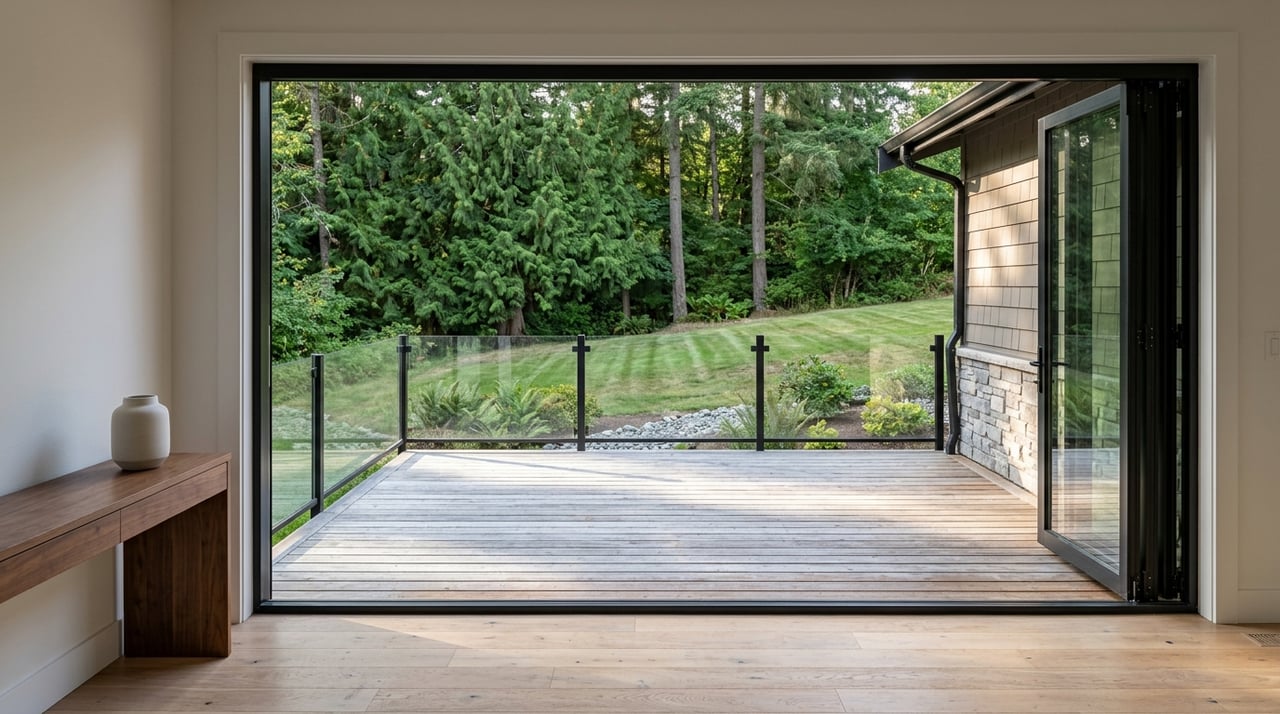
A great view can change how a home feels every single day. If you are thinking about buying in University Place, it is natural to wonder whether paying more for a view is truly worth it, or whether the tradeoffs might outweigh the upside. This guide will help you think through what “view living” really means in University Place, what features often come with these homes, and how to decide if the lifestyle fits your budget and goals. Let’s dive in.
What view living means here
In University Place, a view home is not just a waterfront home. The city’s bluff setting above Puget Sound creates opportunities for views of the Sound, the Olympic Mountains, Mt. Rainier, and the Cascade Range from many locations.
That local setting matters because view value here often comes from elevation, orientation, and sightlines rather than direct shoreline access. A home may feel “view-oriented” because of what you see from the main living room, deck, or primary suite, even if it is not on the water.
University Place also places importance on preserving water views and key view corridors. Its shoreline planning covers places like Puget Sound, Chambers Bay, and Chambers Creek, which helps explain why certain areas maintain strong visual appeal over time.
Common types of University Place views
Not every desirable outlook looks the same. In this market, buyers often respond to a few different types of views.
Sound and mountain views
These are often the views people picture first when they think about University Place. Depending on the location, you may see Puget Sound, the Olympics, Mt. Rainier, or parts of the Cascade Range.
These views tend to feel dramatic and open. They can also bring changing light, weather, and seasonal color that make the home feel different throughout the year.
Chambers Bay and golf course outlooks
Chambers Creek Regional Park is a major part of the area’s identity, with bluff-top views, shoreline access, and broad open scenery. For some buyers, a home with a Chambers Bay or golf-oriented outlook offers the same sense of openness they want from a traditional water view.
This kind of setting can create visual space without requiring waterfront ownership. It may also appeal to buyers who want scenery and a strong outdoor connection without being directly on the shoreline.
Greenbelt and wooded views
A view home can also mean a peaceful treed setting. In University Place, forested or greenbelt outlooks may matter more than some buyers expect.
Research in the broader market shows tree cover can positively affect home value. That helps explain why homes with privacy, mature landscaping, or a framed natural backdrop can still feel premium, even without a wide water view.
How view homes are often designed
Many University Place view homes are shaped by the land itself. In a bluff and hillside market, the floor plan often follows the grade of the lot.
Recent listing patterns suggest these homes commonly feature multi-level layouts rather than simple one-story designs. You may see split-level homes, daylight ramblers, or homes with lower-level living areas that open toward the slope or view side.
Layouts that support the outlook
A strong view home usually puts the best sightlines where you spend the most time. That often means larger windows, vaulted ceilings, and living spaces placed along the rear or upper side of the home.
In some cases, the primary bedroom may also connect to a deck or sit where the outlook is strongest. Lower levels can add flexible space for guests, recreation, or separate living needs.
Outdoor spaces that extend daily living
Decks are a major part of the package. Covered decks, wrap-around decks, balconies, and broad terraces are all common in view-oriented homes.
These spaces help turn the outlook into part of your daily routine. Morning coffee, evening light, or a simple place to sit outside can become part of the reason the higher price feels worthwhile.
The tradeoffs to think through
A view can be a major lifestyle upgrade, but it rarely comes without compromise. In University Place, buyers often make practical tradeoffs in exchange for elevation and sightlines.
One common tradeoff is yard shape or yard size. A home may offer more deck space and less flat, usable lawn, especially if the lot drops away from the house.
Privacy can also vary. Wide-open views sometimes come with more visual exposure to nearby homes, roads, or outdoor spaces.
Budget tradeoffs
Scenic views are often reflected in pricing, but the premium is not fixed. Research shows that water and scenic views can add value, though the amount can rise or fall with market conditions.
For local context, University Place had a median sale price of about $700,000 over the last three months, up 3.6 percent year over year. That does not mean every view home sits far above that level, but it does mean you should weigh the added payment against how much you will truly use and enjoy the view.
Layout tradeoffs
View homes do not always live like standard suburban floor plans. Stairs, lower-level rooms, and narrower outdoor spaces may be part of the deal.
That is not automatically a negative. It simply means you should look beyond the photos and ask whether the layout supports your real day-to-day routine.
When paying more for a view makes sense
A view premium tends to make the most sense when the outlook improves your daily life, not just the listing photos. If you spend time at home, entertain often, or care deeply about natural light and visual openness, a view may deliver value you feel every day.
It can also make sense when the view is visible from the main living areas rather than one small corner of the house. A spectacular sightline from the living room, kitchen, dining area, or primary suite often feels more usable than a partial peek from a secondary bedroom.
Another factor is how protected the outlook may be. Public land, bluff orientation, and established view corridors can all matter when you are trying to judge whether today’s view is likely to remain part of the property’s appeal.
Ownership and maintenance realities
Beautiful outlooks usually come with features that need attention. Decks, large windows, exposed exterior surfaces, and sloped lots can all increase routine maintenance.
Basic upkeep matters. Home maintenance guidance recommends paying attention to caulking, trim, weatherstripping, painted surfaces, flashing, gutters, downspouts, and tree branches near the roof.
Water management matters
On homes with slopes or exposed conditions, drainage becomes especially important. Guidance from Pacific Northwest National Laboratory notes that roof runoff should be directed away from the foundation, typically at least five feet away or into an approved underground system.
That matters because unmanaged runoff can lead to moisture issues, mold, and rot. In a view setting, the lot may be part of the appeal, but it also deserves careful review.
Shoreline rules can affect changes
If a property is on or near Puget Sound, Chambers Bay, or Chambers Creek, exterior changes may involve more review than buyers expect. University Place notes that shoreline regulations apply to those shoreline areas and adjacent shorelands.
If you are thinking about future remodeling, fencing, vegetation removal, or other exterior updates, verify whether the property falls within shoreline jurisdiction. That step can help you avoid surprises after closing.
Questions to ask before you buy
Before making an offer on a view home in University Place, it helps to slow down and ask a few practical questions.
- Is the view visible from the main living spaces or only one room?
- Does the lot trade flat yard space for elevation or decks?
- Are you comfortable with stairs or a multi-level layout?
- Does the monthly payment still leave room for maintenance and reserves?
- Is the outlook framed by public land, bluff orientation, or something that could change later?
- Will tree growth affect the view over time?
- Is the property subject to shoreline rules or HOA guidelines that could affect exterior plans?
These questions can help you separate a home that looks impressive online from one that truly fits your lifestyle.
Is view living right for you?
If you love light, scenery, and a stronger connection to the outdoors, view living in University Place can be a meaningful upgrade. The area’s bluffs, shoreline setting, and park views create opportunities that feel distinctly local and hard to duplicate elsewhere in Pierce County.
At the same time, the best choice depends on how you live. If you would rather have a bigger flat yard, a simpler layout, or lower maintenance demands, a non-view home may serve you better and leave more room in your budget.
The right answer is not whether a view is good in general. It is whether the specific home, specific outlook, and specific tradeoffs make sense for you.
If you are weighing view homes in University Place or preparing to sell one, the Franklin Home Team can help you compare options, understand local tradeoffs, and make a confident move in Pierce County.
FAQs
What counts as a view home in University Place?
- In University Place, a view home may offer Puget Sound, Olympic Mountain, Mt. Rainier, Cascade, Chambers Bay, golf course, or wooded greenbelt views, even if it is not a waterfront property.
Are University Place view homes always waterfront homes?
- No. Many view homes get their appeal from bluff-top elevation, orientation, decks, and window placement rather than direct water frontage.
Do University Place view homes usually cost more?
- Scenic views are often reflected in home prices, but the premium varies by market conditions, view type, and how usable and protected the outlook is.
What floor plans are common in University Place view homes?
- Multi-level layouts, split-level homes, daylight ramblers, and homes with lower-level flexible living spaces are common because they often work well on sloped or elevated lots.
What should buyers check before purchasing a University Place view home?
- Buyers should check where the view is seen from, whether the outlook may change, how the layout fits daily life, the maintenance needs of decks and drainage, and whether shoreline or HOA rules affect exterior changes.